
Ubuntu Under Pressure
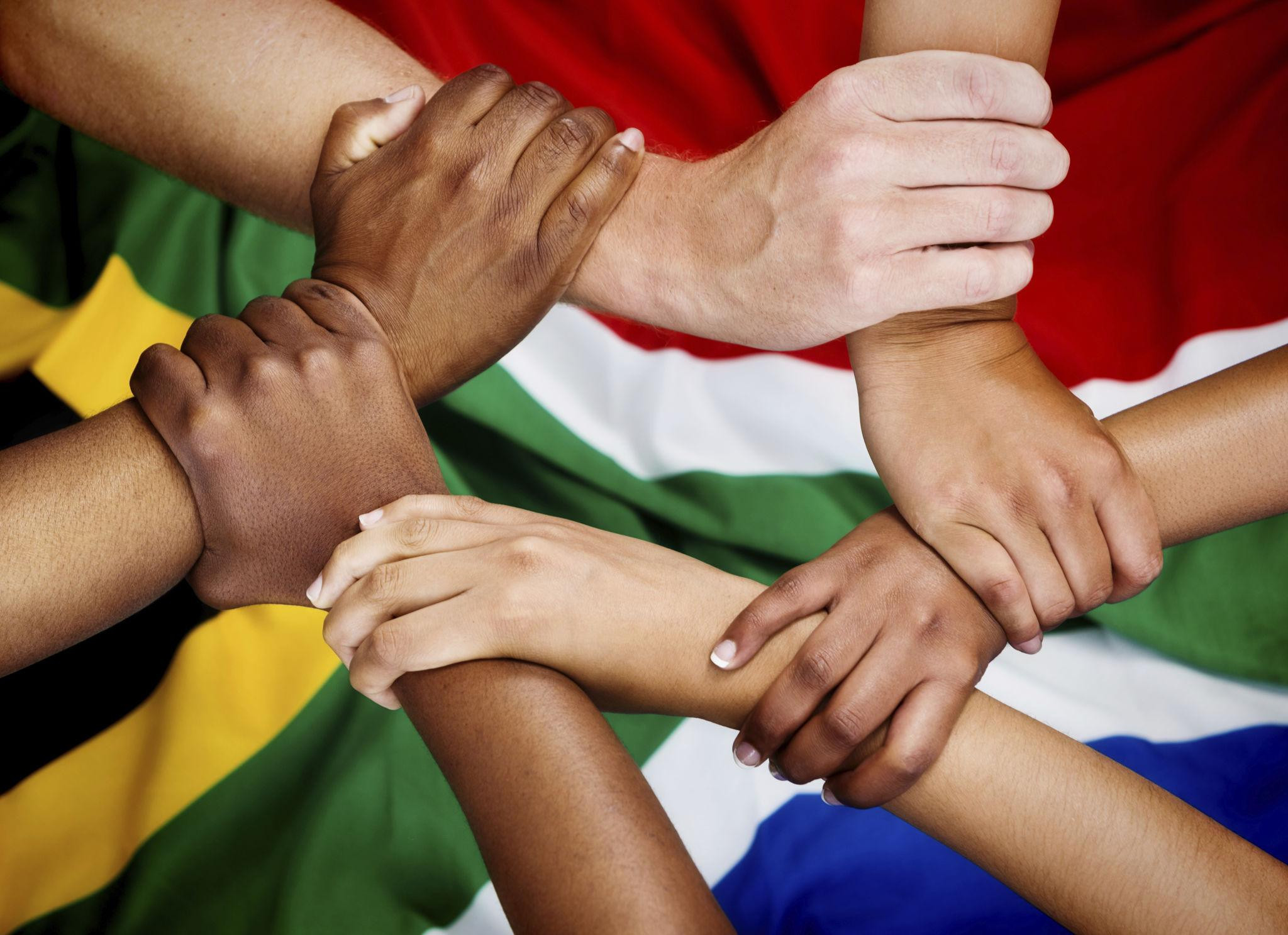
Ubuntu Under Pressure: Migration and Social Cohesion in South Africa
By JdPassy
Introduction: A Nation Wrestling with Difficult Questions
South Africa has long occupied a special place in the African imagination. For many across the continent, South Africa represents resilience, freedom, and the triumph of justice over oppression. The country's struggle against apartheid inspired generations of Africans and captured the admiration of the world. Yet today, South Africa faces a difficult and deeply emotional challenge—balancing economic pressures, social concerns, immigration, and the ideals of African solidarity.
In recent months, debates surrounding migration, undocumented immigration, unemployment, crime, and community tensions have intensified. Political leaders, civil society groups, community activists, and ordinary citizens have all become part of a national conversation about who belongs, who bears responsibility for social challenges, and how South Africa should respond.
At the centre of this debate lies a powerful African philosophy known as Ubuntu. Ubuntu teaches that "a person is a person through other people." It emphasises human dignity, mutual respect, compassion, and interconnectedness. But as social and economic pressures grow, many are asking whether the spirit of Ubuntu is being tested.
Is Ubuntu under pressure?
And what does this debate mean not only for South Africa but for Africa as a whole?
Understanding the Current Debate
The migration debate in South Africa is neither new nor simple. For decades, South Africa has attracted migrants from across the African continent. People have arrived from Zimbabwe, Mozambique, Malawi, Nigeria, the Democratic Republic of Congo, Somalia, Ethiopia, and many other countries. Some came seeking employment opportunities. Others fled political instability, economic hardship, or conflict. Many viewed South Africa as a place where they could build a better future for themselves and their families.
Migration itself is not unusual. Throughout history, people have moved in search of safety, opportunity, and prosperity. Migration has shaped nations across Africa and around the world. However, South Africa faces significant economic challenges of its own. High unemployment, particularly among young people, remains a major concern. Many communities struggle with poverty, inequality, inadequate public services, and rising living costs.
When economic frustrations grow, tensions often emerge. Some South Africans argue that undocumented migration places additional pressure on public services, employment opportunities, healthcare systems, and housing. Others believe migrants contribute positively to the economy by creating businesses, filling labour gaps, and contributing to local communities.
The result is a debate that has become increasingly polarised.
The Rise of Anti-Immigrant Sentiment
One of the most concerning developments has been the rise of anti-immigrant sentiment. Over the years, South Africa has witnessed several outbreaks of xenophobic violence targeting foreign nationals. Shops have been looted. Businesses have been attacked. Families have been displaced. In some cases, lives have been lost. These incidents have drawn criticism from across Africa and the international community.
The word "xenophobia" is often used to describe hostility toward foreigners. Yet many observers argue that the situation is more complex than simple hatred. For some South Africans, the issue is rooted in economic frustration and perceptions of government failure. For migrants, however, the consequences can be devastating regardless of the motivations behind such actions.
Many foreign nationals living in South Africa report feeling vulnerable despite having spent years contributing to their communities. This creates a difficult reality. Citizens feel their concerns deserve attention. Migrants feel they are being unfairly blamed for problems they did not create.
Both perspectives exist simultaneously.
The Economic Reality
Any honest discussion must acknowledge the economic realities facing South Africa. The country continues to struggle with some of the highest unemployment rates in the world.
Millions of young people are unable to find stable work. Many communities face persistent challenges related to poverty and inequality. When people struggle economically, they naturally seek explanations. Migration often becomes part of that conversation.
However, economists frequently caution against viewing migrants as the primary cause of economic hardship. South Africa's economic challenges are complex and include factors such as slow economic growth, infrastructure problems, educational disparities, corruption, energy shortages, and broader global economic pressures.
While migration may affect certain sectors and communities, it does not fully explain the country's deeper structural challenges. Understanding this distinction is important.
Complex problems rarely have simple solutions.
The Contributions of Migrants
Lost in many public debates is the contribution that migrants make to South African society. Across cities and towns, migrants operate restaurants, shops, transport services, technology businesses, and small enterprises. Many create jobs for both South Africans and fellow migrants. Others work in sectors where labour shortages exist.
Migrants also contribute culturally. They bring languages, traditions, cuisine, music, and ideas that enrich society. African cities have historically grown through diversity and exchange. Johannesburg, Durban, Cape Town, and Pretoria have all benefited from the movement of people, skills, and cultures.
This does not mean migration should be unmanaged. Every country has the right to regulate its borders and establish immigration policies. But it does suggest that migrants should be viewed through a balanced lens rather than through stereotypes or assumptions.
Ubuntu and the African Ideal
Perhaps the most important question raised by this debate concerns identity. What does it mean to be African in the twenty-first century? Ubuntu offers one possible answer. Ubuntu is more than a slogan. It is a philosophy that emphasises our shared humanity. It reminds us that our wellbeing is connected to the wellbeing of others. Historically, many African nations supported South Africa during the struggle against apartheid. Countries across the continent provided political support, diplomatic backing, training opportunities, and refuge for South African exiles.
Many Africans, therefore, view South Africa not merely as another country but as part of a shared continental story. At the same time, Ubuntu does not require governments to ignore practical challenges. Compassion and effective governance are not opposites. A nation can maintain secure borders while treating people with dignity. It can address public concerns without encouraging hostility. It can enforce laws without abandoning humanity. The challenge lies in finding that balance.
The Role of Leadership
Moments of tension often reveal the importance of leadership. Political leaders, community organisations, religious institutions, media platforms, and civil society groups all play a role in shaping public discourse. Words matter.
When leaders promote understanding, societies move toward solutions. When fear dominates conversations, divisions deepen. The media also carries significant responsibility.
Journalists and broadcasters must provide accurate information, avoid sensationalism, and create space for thoughtful discussion.
Programs such as Sunrise Africa play an important role. By encouraging dialogue rather than confrontation, the media can help communities understand complex issues without inflaming tensions.
Lessons for the African Continent
The South African debate raises broader questions for Africa. As regional integration increases, cross-border movement is likely to continue. Trade, education, business, tourism, and labour mobility all require people to cross national boundaries. The African Union has long promoted greater cooperation among African nations. The success of these efforts will depend not only on policies but also on public attitudes.
Can Africans embrace both national interests and continental solidarity?
Can countries protect their citizens while remaining open to cooperation?
Can migration be managed in ways that benefit both host communities and newcomers?
These questions extend far beyond South Africa. They are questions that many African countries will increasingly face in the years ahead.
Looking Forward
South Africa's migration debate is unlikely to disappear soon. The issues involved are complex, emotional, and deeply connected to broader economic realities.
There are no easy answers. Yet there are important principles that can guide the conversation. Facts should matter more than fear. Dialogue should matter more than division.
Human dignity should remain central. And solutions should address root causes rather than symptoms alone.
The future will require thoughtful policies, responsible leadership, and a willingness to listen to different perspectives. Most importantly, it will require remembering that behind every statistic is a human being. Whether citizen or migrant, every person carries hopes, dreams, fears, and aspirations. Recognising that shared humanity may be the first step toward lasting solutions.
Conclusion: Is Ubuntu Still Alive?
The question facing South Africa today is not simply about migration. It is about values, it is about identity, it is about how a nation responds when ideals meet reality.
Ubuntu remains one of Africa's most powerful contributions to the world. Its message is simple yet profound: our humanity is connected. The pressures facing South Africa are real. Economic challenges are real. Public concerns are real.
But so too is the need for compassion, dignity, and mutual respect. Perhaps the true test of Ubuntu is not whether it survives during easy times. Perhaps its true test comes during difficult moments such as these. As South Africa navigates this complex chapter, the continent watches closely. Not because the answers are simple, but because the outcome may help shape how Africa approaches migration, unity, and social cohesion for generations to come.








Dodaj komentar
Komentiraj